
Contactless biometrics: the new standard for access control in the UAE
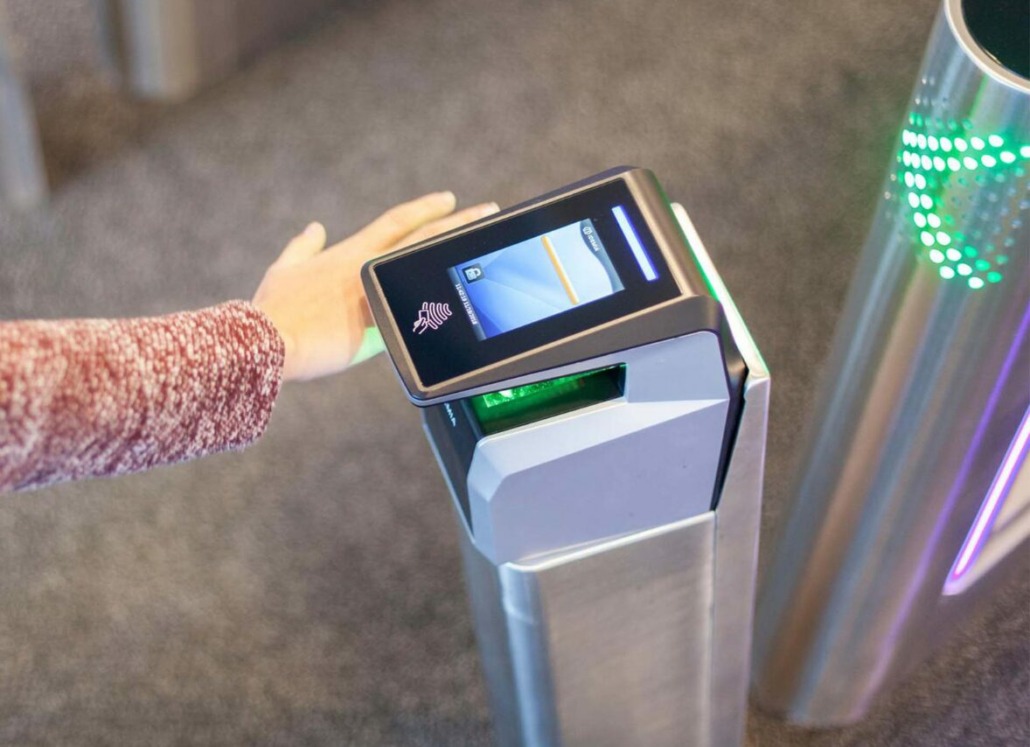
Across the UAE, access control is undergoing a major transformation. As organizations seek to enhance security while improving user experience, traditional methods such as badges, PIN codes, or physical contact systems are gradually being replaced. Contactless biometrics is emerging as a reliable, efficient, and forward-thinking solution, perfectly aligned with the region’s ambitions in digital innovation and smart infrastructure.
Why contactless biometrics is gaining ground
The growing adoption of contactless biometric technologies is driven by a combination of practical and strategic factors. First, hygiene considerations have accelerated the shift toward touchless interactions, particularly in high-traffic environments. Beyond that, organizations are looking for faster and more seamless authentication methods that reduce friction in daily operations.
Facial recognition and contactless hand recognition technologies allow users to be identified in a matter of seconds, without any physical interaction. This not only improves convenience but also minimizes the risks associated with lost, stolen, or shared credentials. In this context, solutions developed by industry leaders such as IDEMIA illustrate how advanced biometrics can meet both security and usability requirements.
Key applications in the UAE
In the UAE, contactless biometrics is being deployed across a wide range of sectors. Corporate offices are increasingly adopting these solutions to secure entry points while offering employees a smooth and modern access experience. In transportation hubs such as airports, the need for rapid and secure identity verification makes contactless biometrics particularly relevant.
Government facilities and critical infrastructures are also investing in these technologies to strengthen control over sensitive areas. In such environments, the ability to accurately identify individuals without physical contact represents a significant advantage, both in terms of security and operational efficiency.
A technology aligned with modern security expectations
Contactless biometrics fits naturally into today’s security ecosystems. These solutions can be integrated into existing access control systems, allowing organizations to upgrade their infrastructure without major disruptions. They also support scalability, making them suitable for both small facilities and large, multi-site deployments.
At the same time, data protection and privacy remain key considerations. Modern biometric systems are designed to ensure secure data handling, in line with regulatory requirements and best practices. This balance between performance, security, and compliance reinforces the role of contactless biometrics as a long-term solution.
As the UAE continues to invest in smart cities and advanced security frameworks, contactless biometrics is set to become the new standard for access control, combining innovation with real-world efficiency.

