UAE biometric digital identity: a new step toward secure identification
The United Arab Emirates is preparing a major evolution in identity management with the progressive move from physical Emirates ID cards to a biometric digital identity. This transition reflects the UAE’s ambition to build faster, safer, and more digital public and private services.
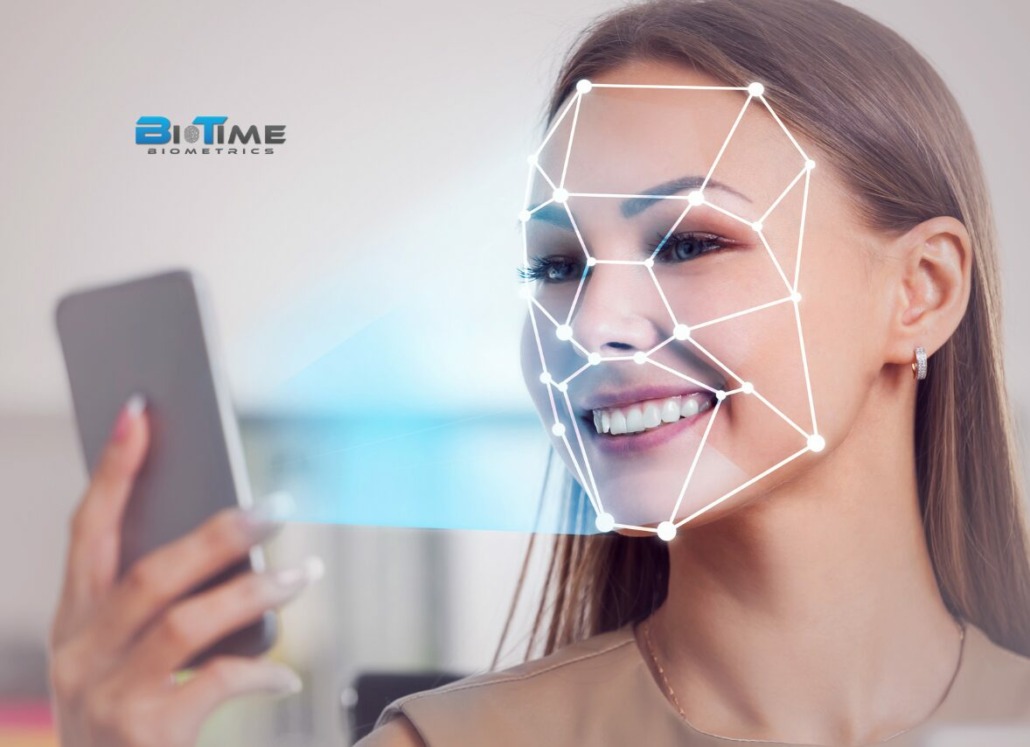
Instead of relying mainly on a physical card, residents and citizens could increasingly use official digital platforms such as UAE PASS or ICP Smart Services to prove their identity. Biometric verification, including facial recognition, would play a central role in this new approach.
From Emirates ID card to digital identity
The Emirates ID is currently essential in the UAE. It is used for government services, banking, employment, healthcare, telecom subscriptions, travel-related procedures, and many everyday administrative processes.
With biometric digital identity, the verification process could become more mobile and more convenient. A person may no longer need to present a physical card in every situation. Instead, identity could be confirmed through a secure digital application, supported by biometric data.
This evolution can help reduce the risks linked to lost cards, document fraud, or identity misuse. By connecting a digital identity to a real person through biometrics, organizations can strengthen trust while simplifying the user experience.
Why biometrics matter for digital trust
As more services move online, identity verification becomes a critical challenge. Public authorities and private companies must confirm who they are dealing with, without creating complex or slow procedures.
Biometric technologies offer a strong response to this need. Facial recognition, fingerprint verification, and other biometric solutions make it possible to verify a person quickly and securely.
In the UAE, this approach could support many use cases: access to government services, banking onboarding, telecom registration, healthcare access, employee verification, travel processes, and Know Your Customer procedures.
For businesses, the challenge will be to integrate these new identity methods into existing systems while maintaining security, compliance, and ease of use.
A strategic shift for UAE organizations
The move toward biometric digital identity is more than a technological update. It represents a strategic change in how identity is managed, verified, and trusted.
Organizations will need reliable solutions to secure access, protect sensitive data, and verify users with confidence. This is especially important for sectors such as finance, government services, healthcare, corporate security, and critical infrastructure.
As a trusted provider of biometric identification solutions, Biotime Biometrics supports organizations looking to strengthen their identity verification and access control systems.
The UAE’s transition toward biometric digital identity confirms a clear trend: the future of identification will be more digital, more secure, and increasingly based on biometrics.
Source : https://startright.ae/blog/uae-to-replace-physical-emirates-id-cards-with-biometric-digital-identity-2/

